


Why Lifting Matters at Every Age?
Maybe you have noticed it already. The shopping bags feel heavier than they used to. Your knees have started commenting on the stairs. You wake up stiff for no reason at all. The benefits of strength training for longevity start exactly here, with the small aches and slow changes most of us write off as "just getting older".
Here is the honest truth: a lot of that decline is not set in stone. Picking up something heavy a few times a week is one of the best-backed habits for staying strong, mobile and independent as the years add up.
This guide keeps it simple. What lifting actually does for your body, how it works for both women and men, what to do when you have zero energy for the gym, and why recovery matters just as much as the training.

The quick answer
Strength training helps you keep your muscle, protect your bones, and stay steady on your feet, all things that slowly fade with age if we do nothing. That is the heart of the benefits of strength training for longevity: you are training so that future you can still carry the groceries, climb the stairs and live life on your own terms.
Two to four short sessions a week is enough for most people. And no, it is never too late to start.
Benefits of weight training as you age
If your back twinges when you lift a box, or you tire faster than you used to, there is a simple reason behind it. From around age 30, our bodies slowly lose muscle. Left alone, that can add up to 3 to 8 percent of your muscle each decade.
Less muscle makes everything a little harder. You have less strength for daily life, you burn less energy at rest, and small slips turn into injuries more easily.
The good news is that muscle listens when you ask something of it. The benefits of weight training as you age come down to four things:
- Stronger muscles, so everyday jobs stay easy, from groceries to grandkids
- Stronger bones, because bones stay solid when they are given work to do
- A healthier metabolism, since muscle keeps your body burning energy
- Better balance and mobility, which is what keeps you independent later in life
You do not need to chase heavy records. You just need to give your body a regular reason to hold on to what it has.

Muscle slowly fades from our 30s onwards. Strength training helps you keep it, at any age.
Strength training vs cardio for longevity
Plenty of people walk or run every day and still feel weak lifting a suitcase into the car. That is because cardio and strength do different jobs.
Cardio looks after your heart and lungs. Strength training looks after your muscles and bones. When it comes to strength training vs cardio for longevity, the answer is simple: you want both. If you already do cardio and nothing else, adding two short strength sessions a week is where the biggest improvement is waiting.
A practical week looks like short cardio sessions plus around 30 minutes of lifting, two to four times.
Benefits of strength training for women
Many women worry about two things here. One, that their bones are quietly getting weaker, especially through and after menopause. Two, that lifting weights will make them bulky.
The first worry is worth acting on. The second one is a myth. Getting visibly bulky takes years of very deliberate heavy training and eating, so it will not happen by accident.
The benefits of strength training for women are hard to overstate:
- Stronger bones at the stage of life when bone strength matters most
- Lean strength and a healthier body composition
- Steadier hips, knees and lower back, which means fewer niggles and injuries
- Confidence that carries into everything else
The benefits of strength training for longevity belong to everyone. The strongest 70-year-olds you will ever meet, women and men alike, almost all share this one habit.

Lifting supports bone strength and lean muscle, two things that matter more with every decade.
When training feels like too much
Let us be honest about the hard part. Some weeks, even two sessions feels like a lot. You get home tired, your muscles are still aching from last time, and the couch wins. You want to train, you just do not have the energy for it.
Start smaller than you think you should. One short session is always better than the perfect week that never happens. And if low energy is the wall you keep hitting, this is where a couple of simple supports can help:
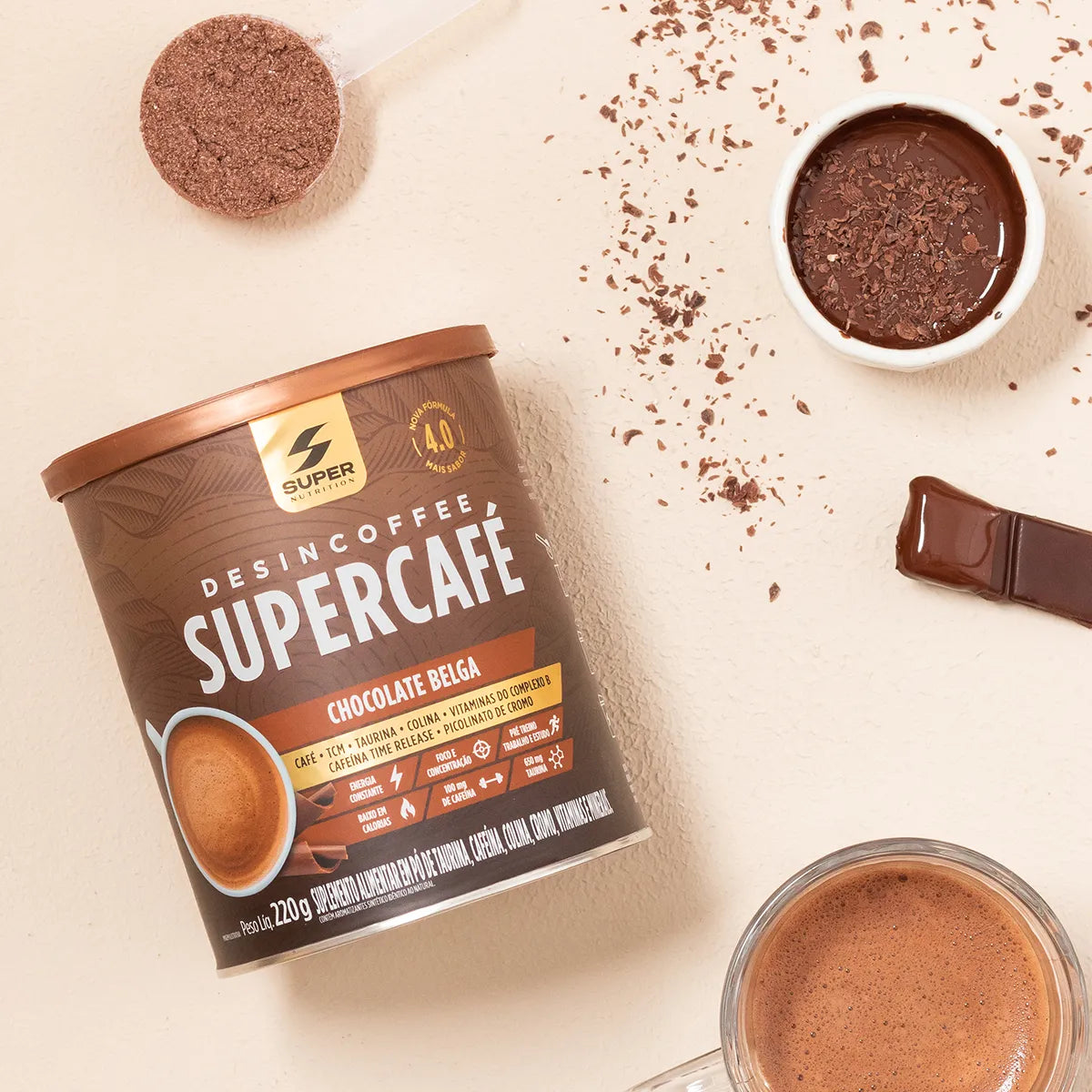
- Before your session: a coffee about 30 to 45 minutes before training is a classic for a reason. Evolution Thermo Coffee is our performance blend, made to support energy and focus on training days. If you prefer a gentler start, we compared morning options in Coffee or Tea in the Morning? Why I Drink Both.
-
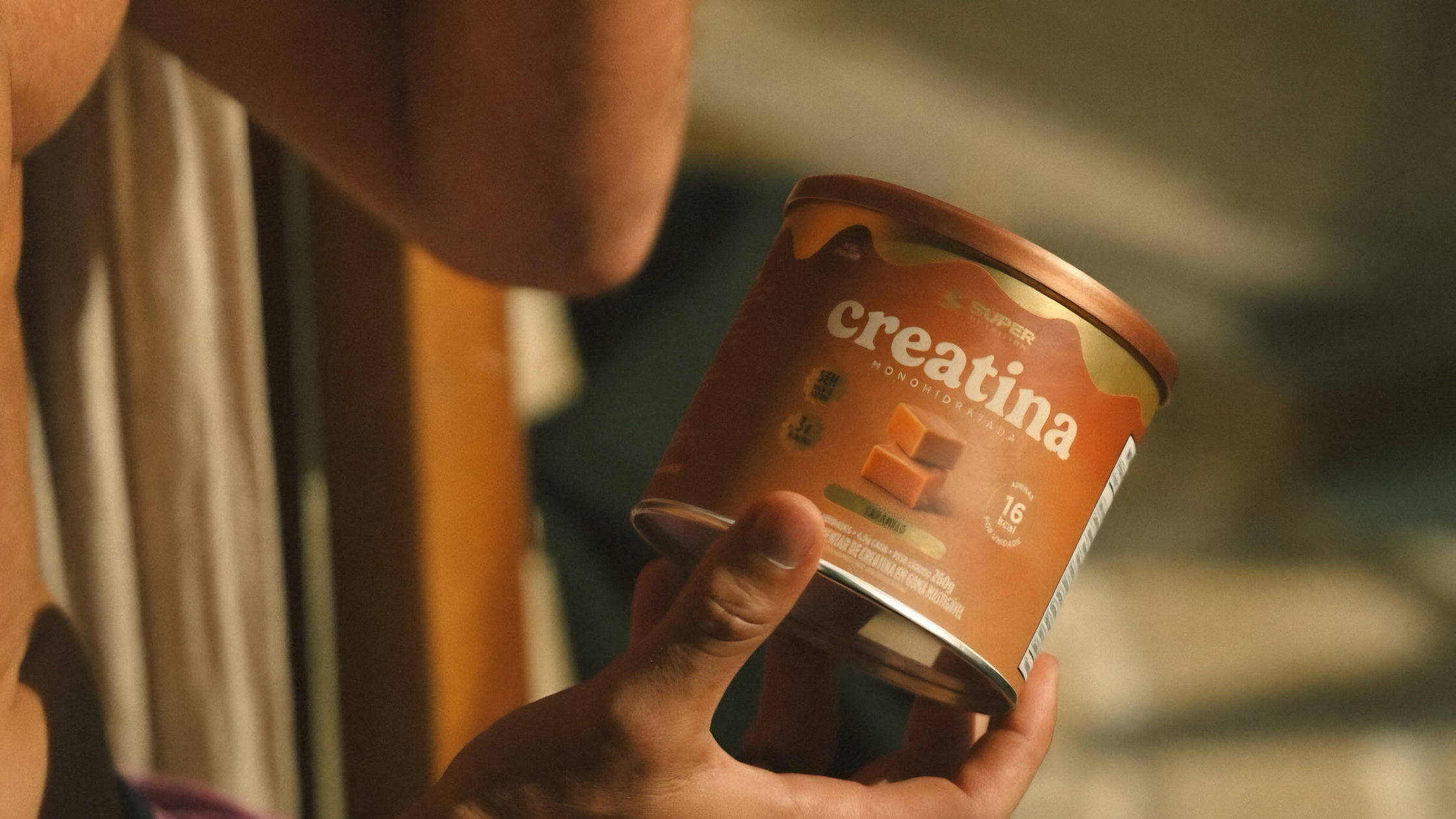
Every day: creatine is one of the most researched supplements in the world, shown to support performance and recovery for most adults, women and men alike. Our Creatine Monohydrate Bites give you 3g per gummy with no powder, no shaker and no mess, so the habit actually sticks.
 To be clear, supplements do not replace training or good food. They just make a good routine easier to keep on the days when motivation is low.
Why recovery matters after strength training
Here is the part most people skip, and it is the part that decides whether your effort pays off.
Lifting challenges your muscles. The actual rebuilding happens afterwards, while you rest, and most of all while you sleep. Skip recovery and you stay sore, stay tired, and stop seeing progress. Rest well and the same workouts suddenly start working.

Sleep is as important as the training itself. Three simple habits cover most of it:
- Eat enough protein through the day, so your body has building material.
- Leave a rest day between hard sessions for the same muscles.
- Protect your sleep. This is when the repair work happens.
If switching off at night is the struggle, Super Sleep is our magnesium and melatonin hot chocolate, made to support restful sleep and recovery. One warm mug as an end-of-day ritual, and you are giving your body the space to do its best work.
Muscles rebuild while you rest. Sleep is where training turns into strength.
Frequently asked questions
How does creatine aid muscle recovery?
Creatine helps your muscles top up the quick energy they use during lifting. Research shows this supports performance and recovery between sessions. It works best taken every day, not just on training days.
Is creatine good for muscle recovery?
For most adults, yes. Creatine is one of the most studied supplements in the world, with strong evidence behind its support for performance and recovery. It suits both women and men, and you do not need to be an athlete to take it.
Where can I purchase creatine for post-workout recovery?
In Australia or New Zealand, you can order Creatine Monohydrate Bites straight from 4Rio, delivered to your door. Each gummy has 3g of creatine, with no mixing and no fuss. Keep the tin in your gym bag and take it on the go.
Is strength training anti-ageing?
Strength training supports what fades with age: muscle, bone strength, balance, and energy. No single habit stops ageing, but the benefits of strength training for longevity mean staying strong, mobile and capable for as many years as possible. Few habits do that better.
Am I too old to start strength training?
No. Research shows older adults respond well to lifting, and keeping your muscle and bone becomes more valuable every decade. Start light, focus on form, and check with a health professional first if you have injuries or health conditions.

Strength is a long game, and that is the best thing about it. Every session you do this year is a deposit your future self gets to spend on carrying luggage, climbing stairs and saying yes to things.
Train with intention. Fuel with purpose. Recover properly. Your 70-year-old self is already grateful.